1885 · 3 min read
Insanity Cured and Suicide Prevented
D. W. Whittle · The Wonders of Prayer, 1885
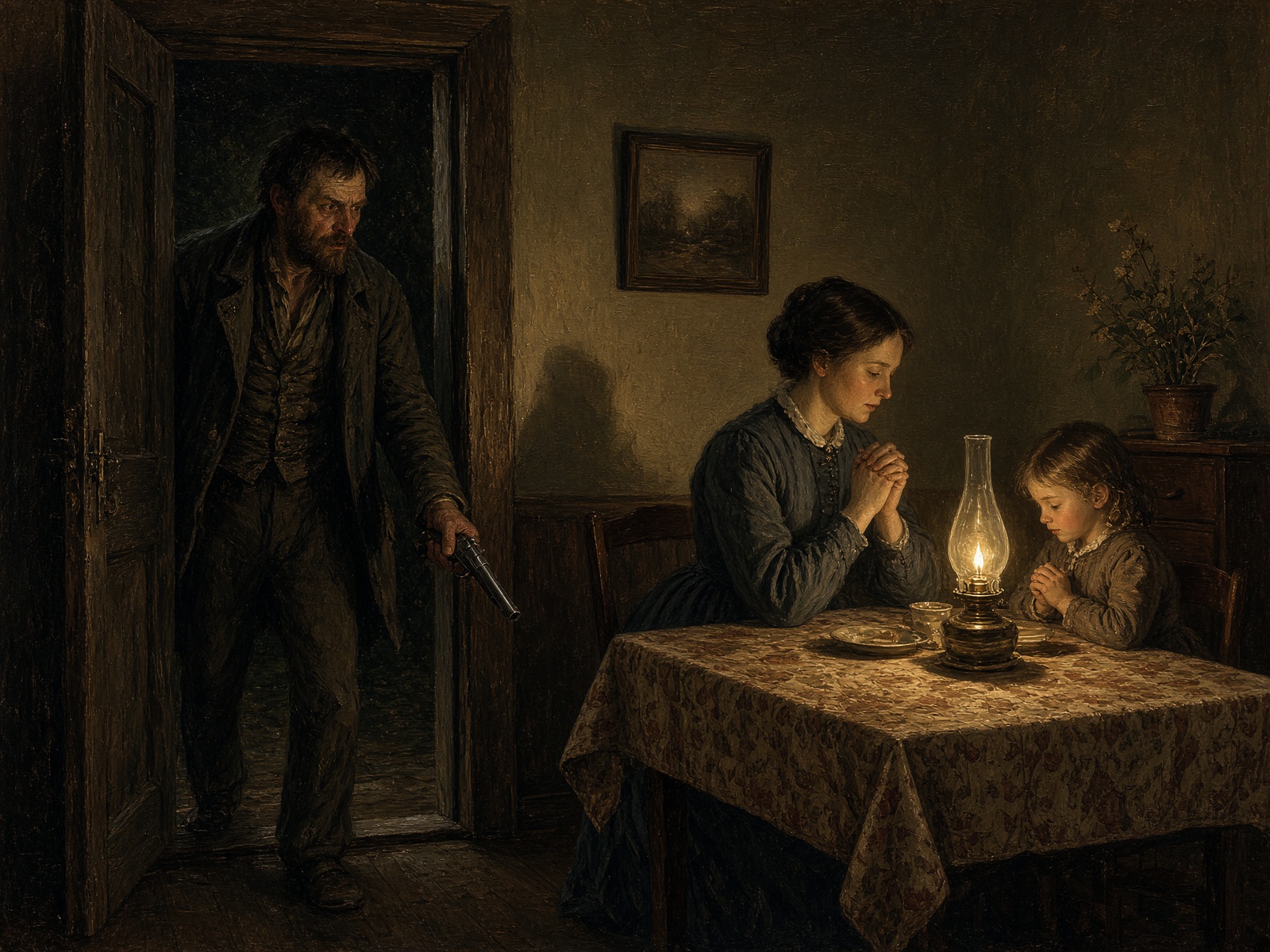
"_Augusta Moore_, writes _The Christian_, of a young lady called home by the illness of her widowed mother, who died before she could reach her. This alone was a terrible shock to the delicate daughter, who, having been reared in luxury, was ill-fitted for firm endurance of calamity. But, when it became known that a relative, in whom she had placed confidence, had managed, in ways that need not be explained, to defraud her out of her inheritance, her mind gave way and _she became insane_.
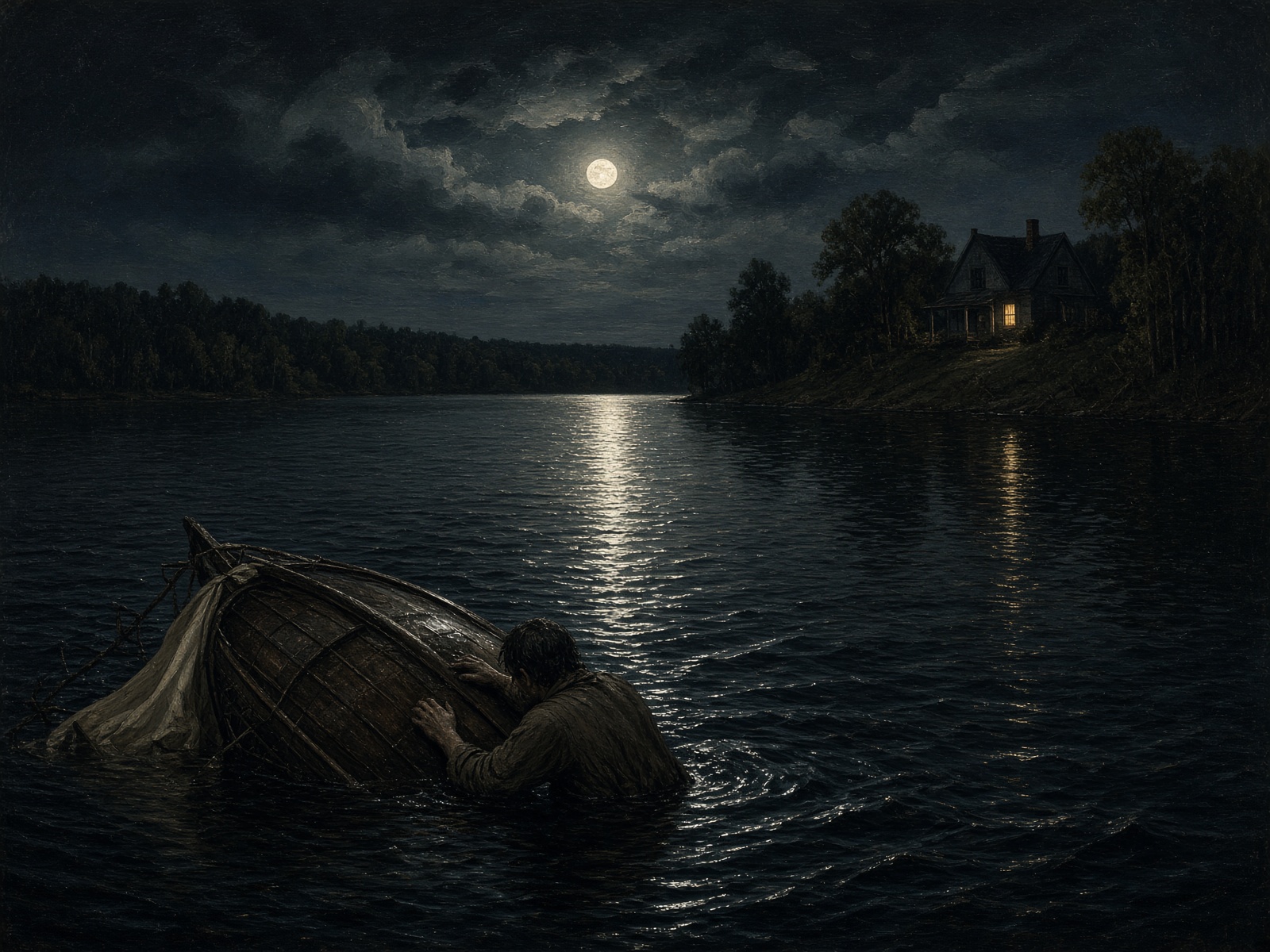
"For years, her distressed husband strove in every way to restore her reason, but she seemed rather to become worse, and showed signs of intentions to commit suicide; and her family and friends lived in a wretched state of apprehension. In spite of the most faithful watchfulness, she twice succeeded in securing the means for self-destruction, but something prevented her from accomplishing her design.
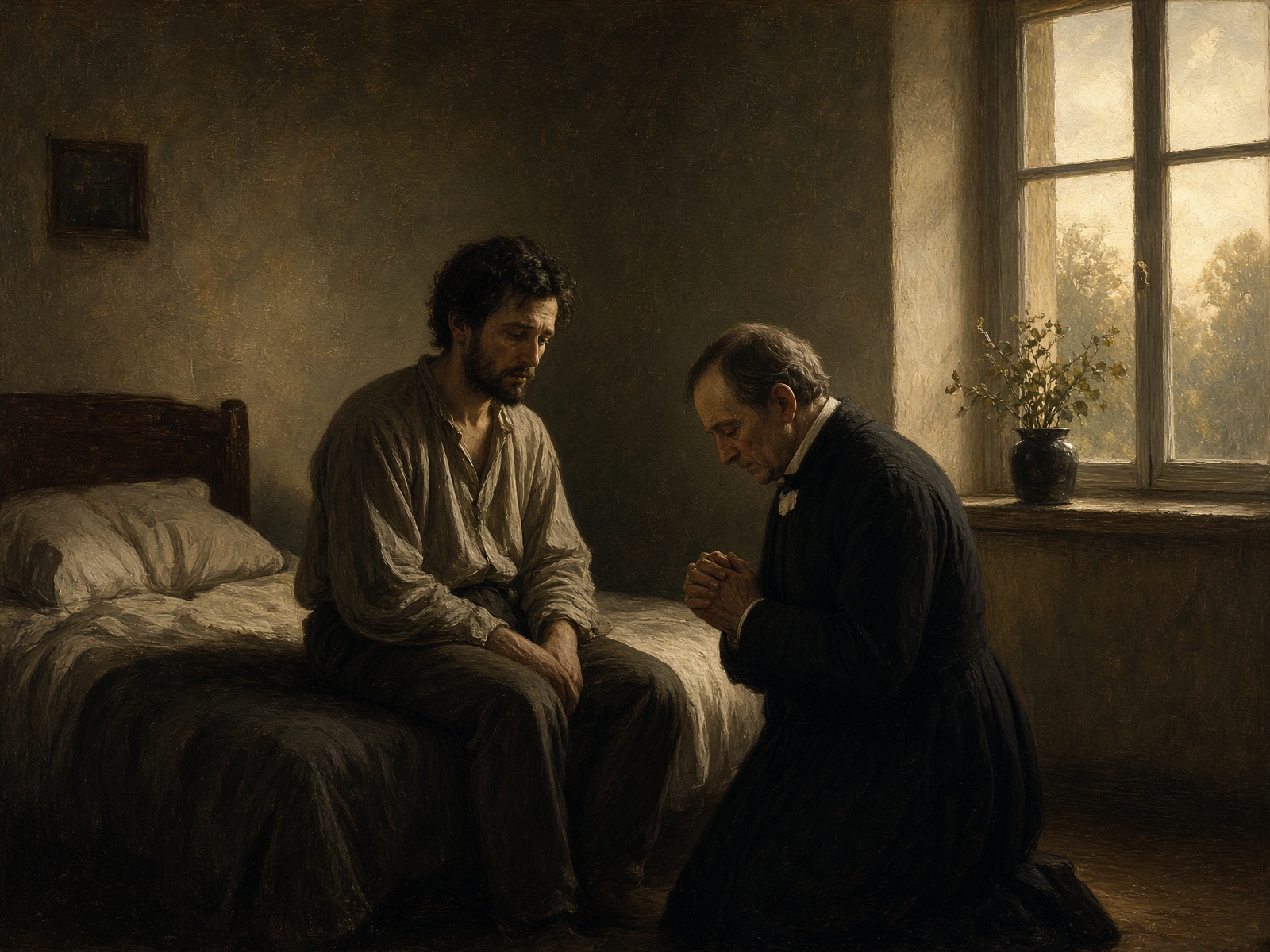
At last, it occurred to a friend to present this woman's case in the prayer-meeting, to the Lord, and earnest prayer was offered for her restoration.
"No immediate result appeared; but the friends _persevered_. During the Winter, a revival of religion occurred in the town where she dwelt, and, with much difficulty, the insane woman, who declared that she was utterly and finally forsaken by God, was prevailed upon to attend the meetings. They began immediately to have a good effect upon her.
She could sleep better; she grew more cheerful, and, in a short time, her reason returned to her. A happier, or more grateful woman than she now is, no mortal eyes ever beheld, and she affords one more instance of the Lord's willingness to hear and answer fervent prayer."
ANSWERS TO PRAYER.
Dr. Newman Hall, minister of Surrey Chapel, London, gives the following instances of answers to prayer from his own experience: "The writer's brother, when superintendent of a Sunday School, felt a strong impulse, one Saturday evening, to call on a member of his Bible-class, whom he had never visited before, and to inquire if he was in any need. He found him very ill.
Though the mother and sister seemed in comfortable circumstances, he felt constrained to inquire if he could aid them in any way. They burst into tears, and said that the young man had been asking for food which they had no power to supply, and that, on Monday, some of their goods were to be taken in default of the payment of rates.
When he knocked at the door _they were on their knees in prayer for help to be sent them_. By the aid of a few friends, the difficulty was at once met—but the timely succor was felt to be the divine response to prayer.
"With that brother, the writer was once climbing the Cima di Jazzi, one of the mountains in the chain of Monte Rosa. When nearly at the top, they entered a dense fog. Presently, the guides faced right about, and grounded their axes on the frozen snow-slope. The brother—seeing the slope still beyond, and not knowing it was merely the cornice, overhanging a precipice of several thousand feet—rushed onward.
The writer will never forget their cry of agonized warning. His brother stood a moment on the very summit, and then, the snow yielding, began to fall through. One of the guides, at great risk, rushed after him and seized him by the coat. This tore away, leaving only three inches of cloth, by which he was dragged back. It seemed impossible to be nearer death, and yet escape.
On his return home, an invalid member of his congregation told him that she had been much in prayer for his safety, and mentioned a special time when she particularly was earnest, as if imploring deliverance from some great peril. _The times corresponded!_ Was not that prayer instrumental in preserving that life?"
Select any passage to copy a shareable quote. Public-domain text, preserved for the next reader.