1885 · 3 min read
Giving Blessed
D. W. Whittle · The Wonders of Prayer, 1885
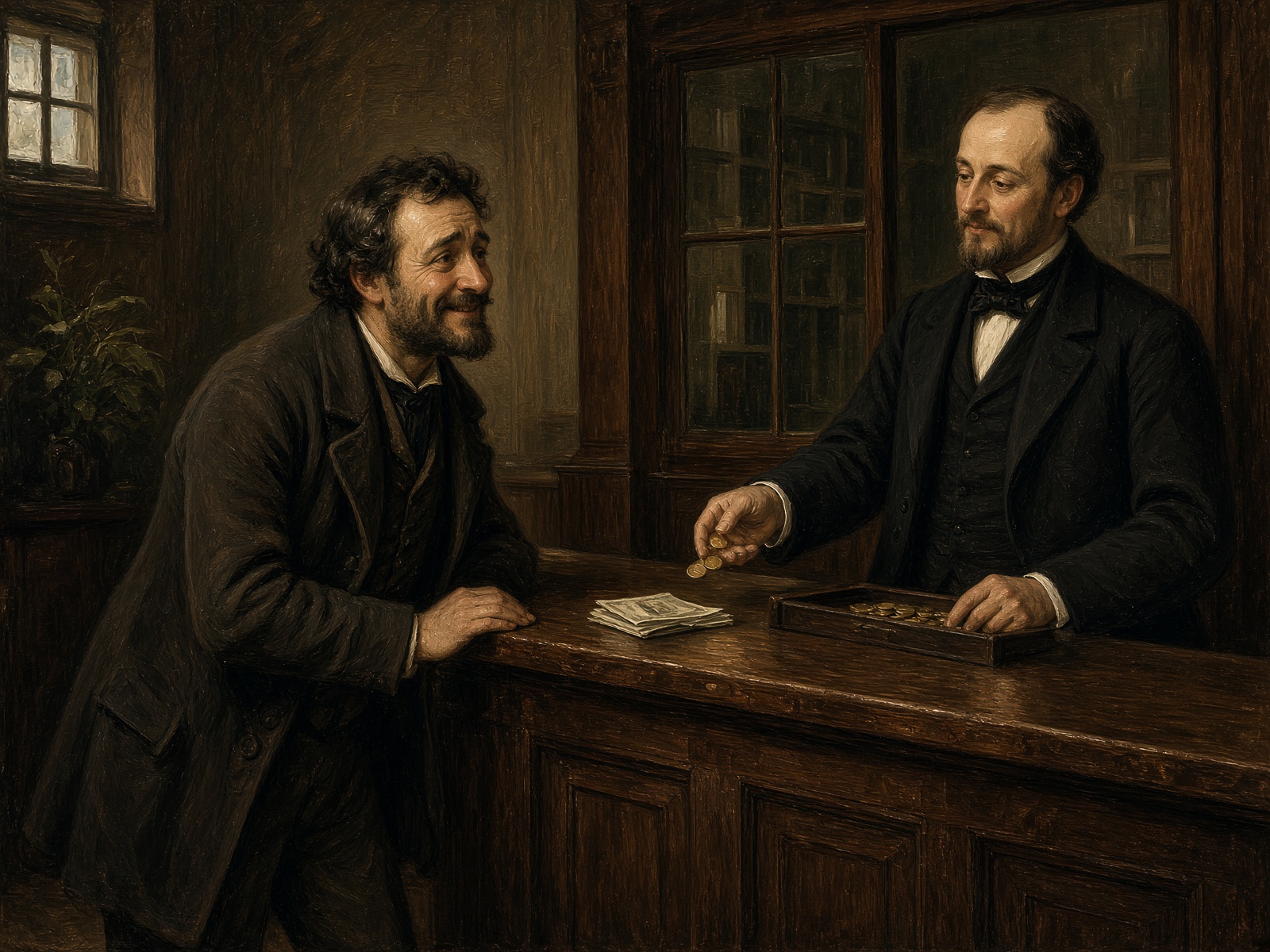
A merchant of St. Petersburg, at his own cost, supported several native missionaries in India, and gave liberally to the cause of Christ at home. On being asked how he could afford to do it, he replied: "Before my conversion, when I served the world and self, I did it on a grand scale, and at the most lavish expense.
And when God by his grace called me out of darkness, I resolved that Christ and his cause should have more than I had ever spent for the world.
And as to giving _so much_, it is God who enables me to do it; for, at my conversion, I solemnly promised that I would give to his cause a fixed proportion of all that my business brought in to me; and every year since I made that promise, it has brought me in about double what it did the year before, so that I easily can, as I do, double my gifts for his service."
And so good old John Bunyan tells us,
"A man there was, some called him mad, The more he gave, the more he had."
And there are truth and instruction in the inscription on the Italian tombstone, "What I gave away, I saved; what I spent, I used; what I kept, I lost." "Giving to the Lord," says another, "is but transporting our goods to a higher floor." And, says Dr. Barrow, "In defiance of all the torture and malice and might of the world, the _liberal_ man will ever be rich; for God's providence is his estate; God's wisdom and power, his defense; God's love and favor, his reward; and God's word, his security."
Richard Baxter says, "I never prospered more in my small estate than when I gave most.
My rule has been, _first_, to contrive to need, myself, as little as may be, to lay out none on _need-nots,_ but to live frugally on a little; _second_, to serve God in any place, upon that competency which he allowed me: to myself, that what I had myself might be as good a work for common good, as that which I gave to others; and _third_, to do all the good I could with all the rest, preferring the: most public and durable object, and the nearest.
And the more I have practiced this, the more I have had to do it with; and when I gave almost all, more came in, I scarce knew how, at least unexpected. But when by improvidence I have cast myself into necessities of using more upon myself or upon things in themselves of less importance, I have prospered much less than when I did otherwise.
And when I had contented myself to devote a stock I had gotten to charitable uses _after my death_, instead of laying it out at present, in all probability, _that_ is like to be lost; whereas, when I took the present opportunity, and trusted God for the time to come, I wanted nothing and lost nothing."
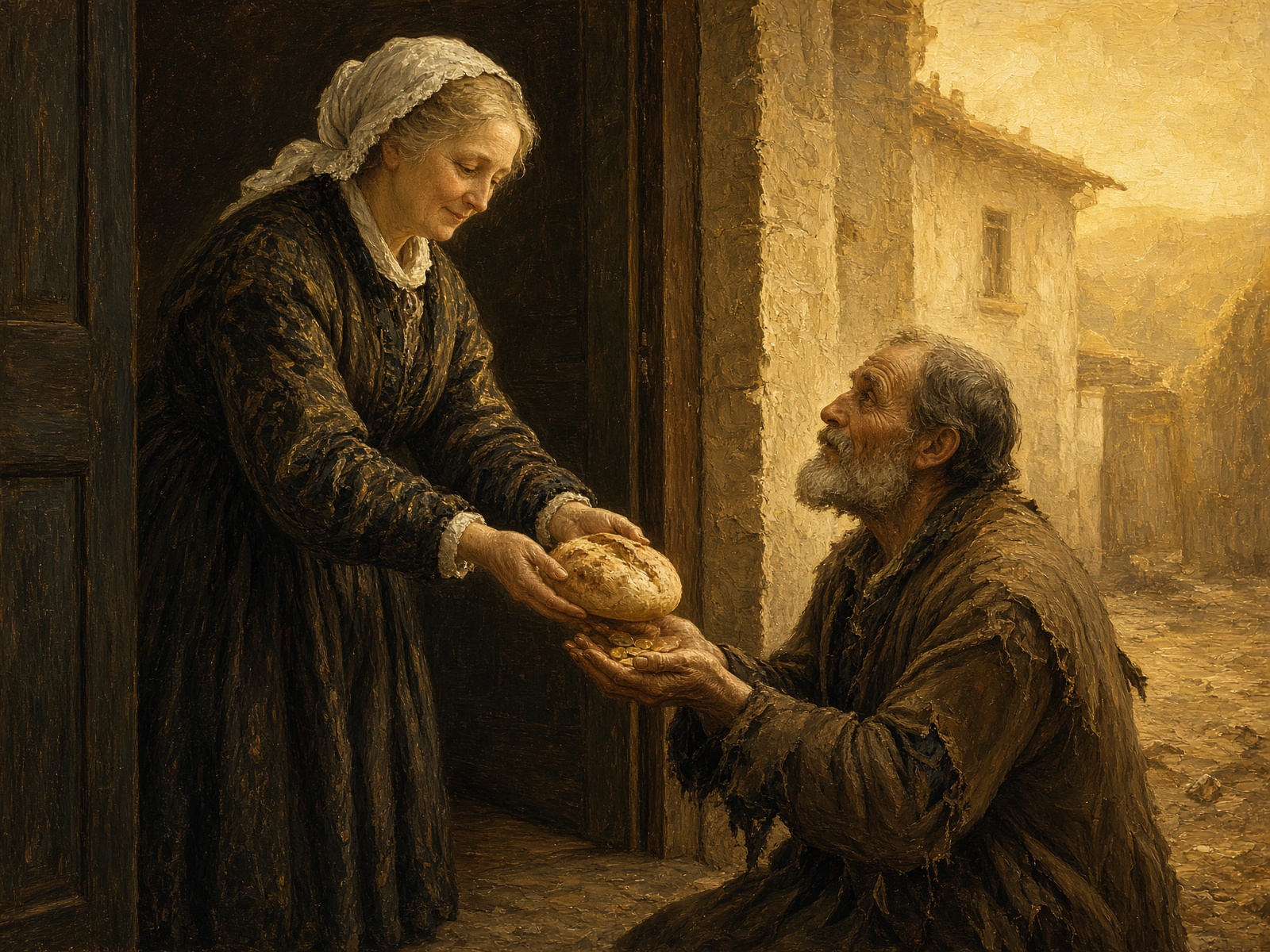
These are a few of many evidences, that where we give from right motives, we are never the poorer, but the richer for doing it. "The liberal soul shall be made fat, and he that watereth, shall be watered also, himself."
Select any passage to copy a shareable quote. Public-domain text, preserved for the next reader.